
Dermatitis Flare-Ups and How I Treat Them as a Dermal Clinician


Throughout the years, I’ve struggled with my own case of dermatitis, mainly around the nose area. As someone who suffers from hay fever, constant tissue use around my nose often triggers irritation. During COVID, when masks were mandatory, my skin flared up significantly — the warm, moist environment beneath the mask created the perfect conditions for irritation, bacteria, and inflammation. More recently, I noticed another flare during the colder winter months.
There are many different types of dermatitis and several possible causes. When it appears around the nose and mouth, it is often diagnosed as perioral dermatitis, but in some cases, it may also be seborrheic dermatitis. The creases around the nose and mouth are naturally oily environments, making them prone to seborrheic flare-ups.
Seborrheic dermatitis is a chronic form of dermatitis that typically develops in areas where sebaceous (oil) glands are most active. There are two main types: infantile and adult. Infantile seborrheic dermatitis, often called cradle cap, can affect the face, scalp, and trunk. In adults, it more commonly involves the face, scalp, and chest. It tends to affect hairy regions or flushed areas of the face, such as the nasolabial folds, behind the ears, or other creased areas of the body like the groin, underarms, or beneath the breasts. It often worsens during winter and can present as red, inflamed, glazed-looking skin that feels itchy and uncomfortable.
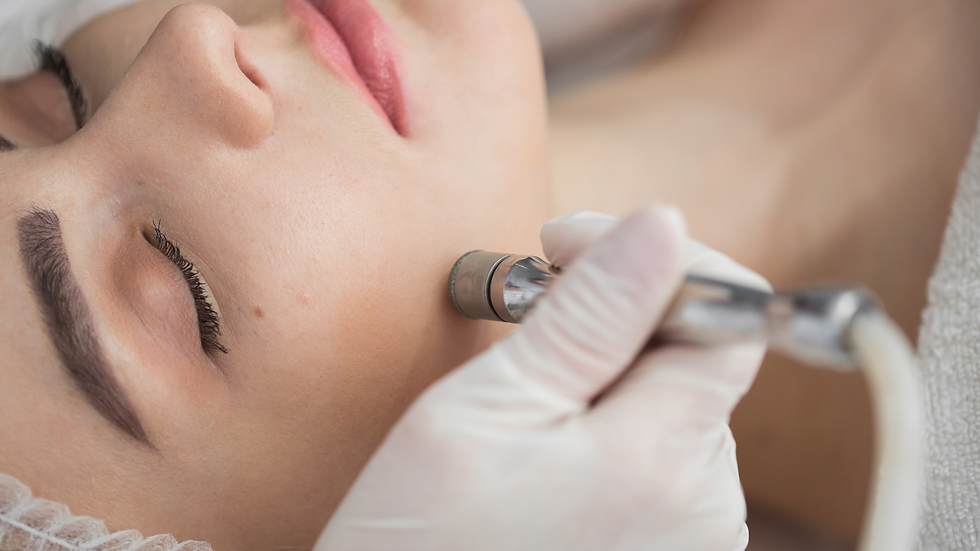
From my personal experience, the best way I’ve managed seborrheic dermatitis is through hydration with serums, weekly LED therapy, and laser rejuvenation treatments. Adding laser rejuvenation has been a real game changer — not only does it help reduce redness, but it also targets sebaceous gland activity, addressing a root contributor to flare-ups. When you look at the clinical features of dermatitis and how laser works, the results make perfect sense.
What I do find frustrating is that many clients are told by doctors to cease all products during flare-ups. This often leaves the skin even drier, more irritated, and uncomfortable. Short-term steroid creams are sometimes prescribed, but they’re not suitable for long-term use and can even worsen perioral dermatitis. In some cases, I’ve seen patients placed on antibiotics for extended periods, which is not always ideal.
Another point that often needs clearing up is the advice to stop using active ingredients altogether. The term active ingredients can be misleading because not all actives are harsh or irritating. In fact, many are essential, as they provide the skin with the nutrients it needs to function and repair. Think of it like this: how could you run a marathon if you weren’t fueling your body with the right nutrients? The same applies to the skin — how can it heal if it isn’t supported with the proper ingredients to repair itself?
When used correctly, nourishing actives such as niacinamide, hyaluronic acid, or certain peptides can strengthen the skin barrier, reduce inflammation, and promote healing. The key is choosing the right actives for the condition and using them at the correct concentration — which is where professional guidance makes all the difference.
As a Dermal Clinician, my approach is different. I break the condition down into symptoms and visible concerns, then treat each one individually before addressing the skin as a whole. For example:
Dry, flaky skin → restore hydration and support barrier repair
Redness and inflammation → calm the skin and reduce vascular response
Itching and discomfort → soothe and restore balance
By layering these strategies together, we can effectively manage dermatitis without relying solely on drugs or treatments that may cause further damage. Dermal Clinicians are trained to look at the skin holistically — addressing not just the symptoms, but the root causes, to support long-term skin health.
✨ If you’re struggling with ongoing dermatitis, know that you’re not alone — and there are safe, effective, and skin-friendly options available. At Tiffany Matthewson Dermal Aesthetics, we take a personalised, holistic approach to managing dermatitis and strengthening your skin barrier. Book a consultation today to start your tailored treatment journey.


Comments